
Metal Element
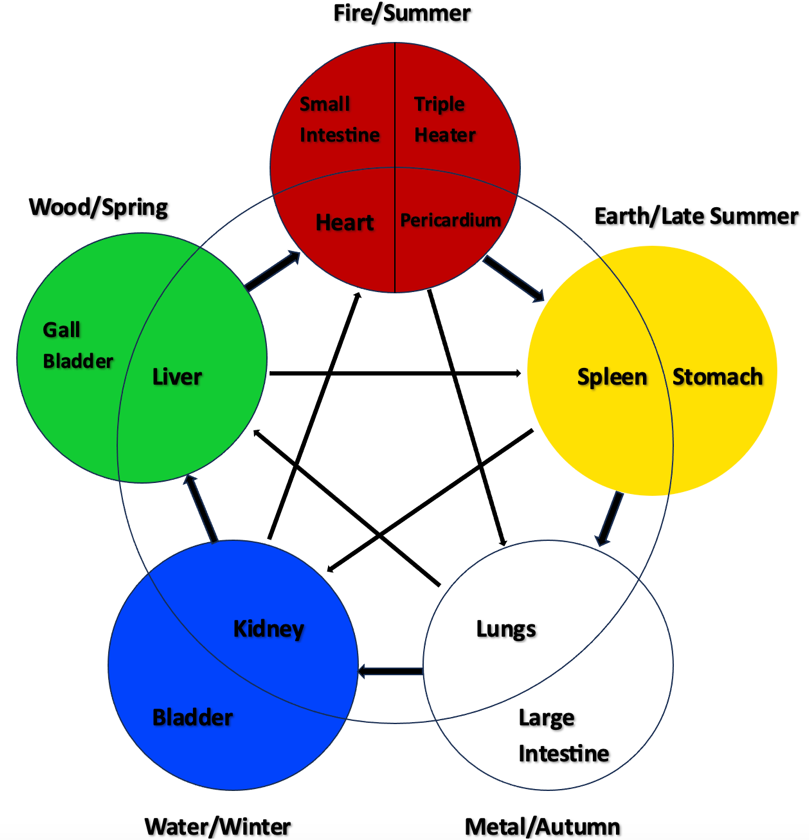
Welcome to our elemental deep dive exploring the Metal element in Chinese medicine. The five elements and their seasonal correspondences serve as natural guideposts, helping us align with nature's rhythms to cultivate health and healing. As we are fundamentally part of nature, we are inseparable from its illuminating wisdom. In this newsletter you’ll find an overview of the Metal element, mindfulness in daily life, deep breathing exercises for relaxation, food therapy, an important acupressure point and qi gong exercises.
Metal Overview
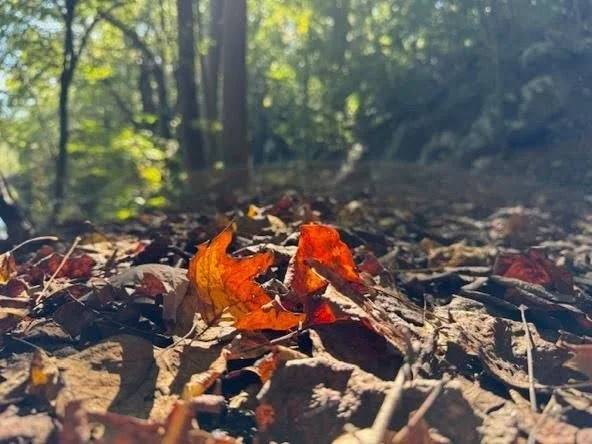
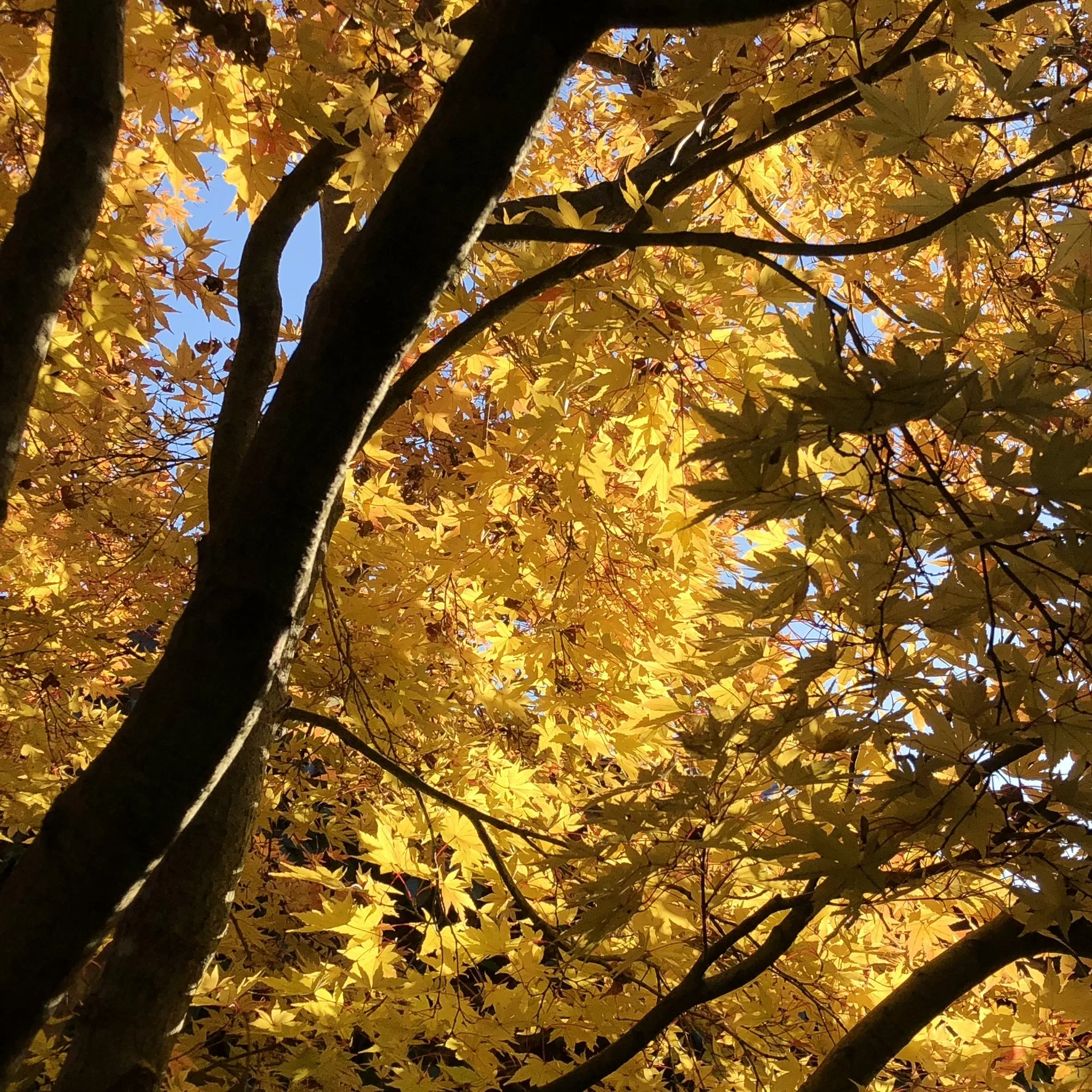
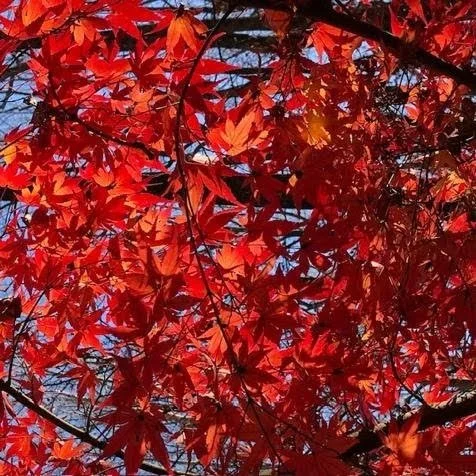
The full outward expression and abundant harvest of summer (Fire) and late summer (Earth) are behind us, as we find ourselves turning inward with the season of fall and the energetic decrease of the Metal element. The chlorophyll that caused leaves to turn green begins to break down, revealing the trees’ “true” colors of yellow, orange, red and pink. And then just as quickly, those leaves are let go, falling to the earth to eventually support future growth. Nature teaches us a crucial lesson: sustainable growth requires letting go. Authentic development emerges when we allow things to naturally decay and transform at the right moment. By focusing on what's essential, we create space for new, pure growth to emerge.
Nothing is lost, nothing is created, everything is transformed.
-Antoine Lavoisier
As we appreciate the brief burst of fall’s magnificent colors, the Metal element calls us to bear witness to both the preciousness of life and its impermanence – energies epitomized by the Lungs (inspiration, sacredness, worth) and the Large Intestine (letting go, eliminating waste/excess, loss), the organs/channels associated with Metal. Understanding impermanence intellectually doesn’t make it any less difficult when we lose something or someone we love, and grief is an appropriate expression of loss. Emotional balance in grief can be delicate. We might either suppress our sorrow or become trapped in it, preventing the natural transformation of our pain into healing and understanding. Ironically, when we accept the pain of suffering a loss instead of resisting it, it begins to transform and may reveal that while the object of our loss has gone, its qualities live on, both in ourselves and others.
In addition to letting go of something/someone we love or something that no longer serves, Metal asks: what do we value and what inspires us? Like precious metals in the earth, are we able to see ourselves as worthy and sacred? Are we able to see and reflect these qualities in others? Balance is crucial: without it, we oscillate between extreme states – from self-righteous superiority on one end to paralyzing self-doubt on the other.
Physically, when the Lungs are in balance, we’re able to breathe easily and deeply, feeling refreshed with every breath. Out of balance, and possibly in conjunction with chronic grief, we may notice coughing, wheezing, and shortness of breath and dry skin. When the Large Intestine is balanced, our bowels are regular, and we’re eliminating physical and mental/emotional waste freely. Out of balance it often manifests as constipation, diarrhea or IBS.
The Little Things
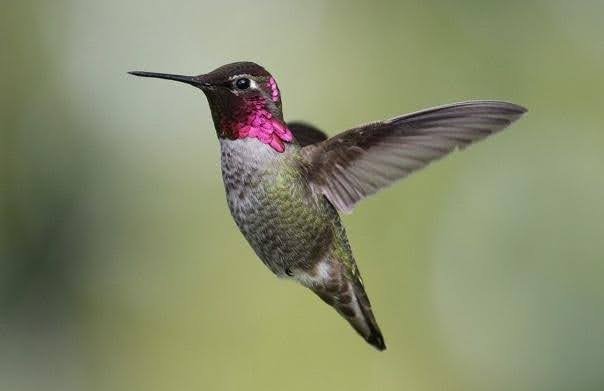
Every day offers the opportunity to be aware of these two Metal movements of letting go and receiving inspiration. In one moment we may see a hummingbird, subconsciously holding our breath so as not to scare it, watching as its iridescent green feathers glimmer in the sun and hearing the soft buzz of its wings flapping impossibly fast. We’re awe inspired, present and grateful for this fleeting, sacred moment.
Next, we may see a raccoon on the side of the road, dead or dying from its collision with a speeding car, its blood and flesh no longer contained within its body. We may feel remorse, sadness, or disgust at this visceral reminder of impermanence being thrust upon us.
We can so easily make an identity out of either grasping for more experiences of awe or rejecting experiences that remind us of death and bring grief. Metal reminds us that these are simply the rhythms of life and that by experiencing things as they are, and remaining aware, we are given an opportunity to witness life’s sacred unfolding.
Breathing Exercises
“The universe is like a bellows, always empty, always full; the more it yields, the more it holds.”
-Lao Tzu
The lungs are the yin organ of the Metal element and the “receiver of pure qi from the Heavens.” Breathing is essential for life, though we rarely stop to recognize this. We can survive a few weeks without food, a few days without water, but only a few minutes without breathing. Breathing is an autonomic process, occurring without conscious control, akin to the intelligence we see in nature that transforms an acorn into a tree. Humans and trees engage in a remarkable respiratory exchange: we inhale oxygen and exhale carbon dioxide, while trees inhale carbon dioxide and exhale oxygen. The bronchial passages (aptly called the bronchial tree) in our lungs even mirror a leafless deciduous tree, reflecting the intricate symmetry found in nature. We are nature, and nature is us.
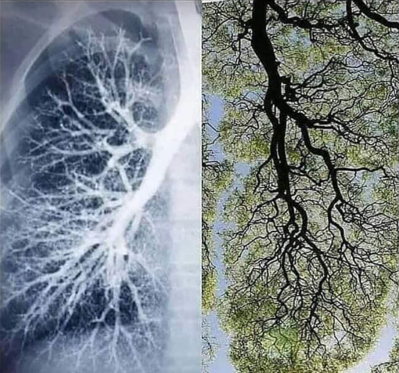
Here are a few breathing exercises to help connect you with Lung energy and to relax. Please only do the “4,7,8” and “abdominal breathing” if you are physically able, and for those with respiratory conditions, I’d recommend contacting your healthcare provider before trying these. If you feel lightheaded at any point, stop, take a break and drink some water.
Breath awareness
Gently bring your awareness to your breath without trying to change anything. Simply be aware of the process of breathing in and breathing out. You may choose to focus on the feeling of coolness around your nostrils as air rushes in and out. Or you may notice your chest and/or abdomen expanding and contracting. Whether your breathing is shallow or deep, do your best not to judge it, and let it be as it is. If thoughts arise, acknowledge them, and then return to your breath.
If it helps to keep your mind occupied, you can repeat inwardly, “Breathing in, I know I am breathing in; breathing out, I know I’m breathing out.” This breathing mantra is from Zen Master Thich Nhat Hanh. Others include:
“Breathing in, I’m aware of my body; breathing out I calm my body”
“Breathing in, I bring peace to my body and mind; breathing out, I release the tension.”
From his “Pebble meditation:” “Breathing in, I see myself as a flower; breathing out, I feel fresh. Breathing in, I see myself as a mountain; breathing out, I feel solid. Breathing in, I see myself as still water; breathing out, I reflect things as they are. Breathing in, I see myself as space; breathing out, I feel free.”
Focusing on the breath in this way quiets the mind and brings us completely into the present moment, giving us access to more of our energy that’s often busy rehashing the past or anxious about the future.
4,7,8 Breathing
While lying flat or sitting relatively straight, inhale through your nose for a count of four, hold your breath for a count of seven and exhale through your mouth while making a whooshing noise for a count of eight. Repeat this cycle a few more times and repeat as needed throughout the day. If it’s too difficult to hold your breath for a full seven count, just make sure your outbreath is longer than your in-breath. This takes us out of our “fight or flight” response and helps bring us into our parasympathetic response of “rest and digest.”
It’s based on a yogic practice called pranayama breathing and it has numerous benefits including decreasing anxiety and stress levels and helping with sleep.
Abdominal/Diaphragmatic/Belly breathing
Most of us breathe inefficiently, primarily using chest muscles and overlooking the diaphragm – the powerful muscle beneath the lungs. Though it may feel strange at first, including the diaphragm in our breathing can make our breathing more efficient, reducing our blood pressure and heart rate, and increasing blood oxygen levels, thus decreasing stress and anxiety.
It’s easiest to start this by lying down, though it can also be done sitting up. While lying down, place one hand on your chest and one hand on your belly. When breathing, you want your belly hand to move and your chest hand to stay relatively still. Breathing in through your nose, expand your belly so that your abdominal hand rises, while the hand on your chest remains comparatively flat. Then exhale through your mouth with pursed lips (as if exhaling through a straw), lightly tightening your stomach muscles so the hand on your abdomen lowers, and the hand on your chest again stays comparatively flat. You can continue this for five or ten minutes at a time, and repeat throughout the day as needed.
Food Therapy
In addition to performing the essential task of breathing, the lungs protect the body from colds and other pathogens by bringing protective qi (wei qi) to the surface of the body. The lungs are also responsible for the opening and closing of pores, and sweating can often help clear a pathogen that has already invaded.
*Pro tip: keep your neck covered especially in colder months as the neck is often the first place that a pathogen will enter the body.
If your protective qi was unsuccessful and you’re just starting to notice chills, fever, a stiff neck, headache and clear mucus, you may have what Chinese medicine calls a wind-cold invasion.
Put a couple cloves of cut garlic, cut ginger and scallions into a small pot of water, bring to a boil, then simmer for 15 minutes. Drink this liquid throughout the day to help induce sweating.
Take a hot bath or shower and then immediately get into bed under many covers. Again, sweating will help kick the pathogens out!
The taste of Metal is pungent – it disperses energy and moves it upwards and outwards. Aside from garlic, ginger and scallions, other pungent foods/spices that are good to eat in the fall are onions, horseradish, mustard greens, radishes, cinnamon, black pepper and chili peppers. Other root vegetables like potatoes and carrots are also excellent to support Metal in the fall.
Acupressure Point
What are they and how are they used? While needles have a more pronounced effect, these are acupuncture points that can be activated with finger pressure. Either press and hold the point with medium pressure, or, while engaging with pressure you can make small clockwise circles – either way, hold it for anywhere from 1-3 minutes on both the left and right sides of the body. This can be done as needed or a handful of times a day.
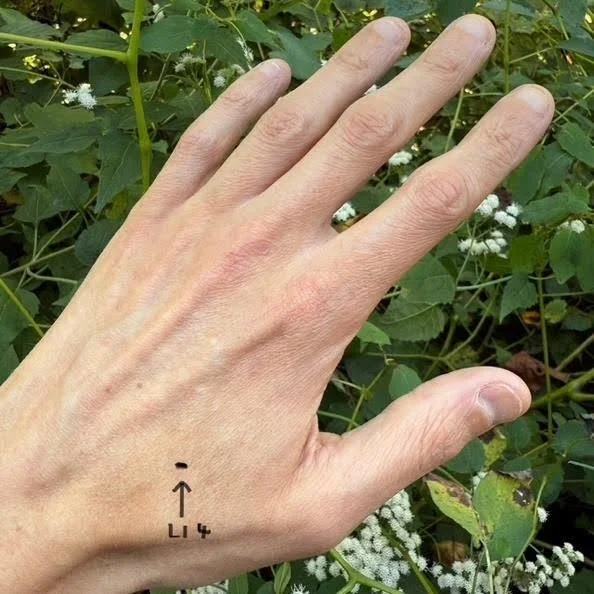
Large Intestine 4 (Hegu, Joining Valley)
Location: On the back of the hand, in the fleshy area between the thumb and index fingers. To find it easily, bring the thumb and index fingers together and the point is located at the highest point of the bulge that forms.
Uses:
It helps to strongly clear, descend and release when the body, mind or spirit has become blocked or toxic. It’s good for physical constipation as well as for someone who is only seeing the negative in life, is lost in resentment, or has become detached. It can engender calm and ease.
An excellent point for supporting immunity, clearing pain, headaches (especially frontal), nasal congestion, sneezing, and the releasing pathogens that cause sickness.
It can also help induce labor, so don’t stimulate this point if you’re pregnant.
Qi Gong
Qi gong is an excellent way to embrace the Metal element – using our breath and body awareness to release and inspire. It was developed thousands of years ago as a branch of Chinese Medicine and it involves a series of slow, coordinated movements and mindful breathing. An ancient saying goes, “where there is free flow, there is no pain, where there is no free flow, there is pain.” By facilitating the free flow of qi, qi gong can help maintain health of body, mind and spirit. Mimi Kuo-Deemer is one of my favorite practitioners for Qi gong – her approach is clear, descriptive and informative. Here’s a link to her Metal Element Qi Gong video. You’re welcome to try the whole sequence, or simply pick one or two moves that resonate with you and practice those.
Final Thoughts
Metal can remind us – our inherent worth transcends external validation. Despite messages that may have diminished our sense of self, if you’re reading this, your existence is a testament to your profound value. We are precious, just like gemstones or precious metals in the earth, and each of us has unique gifts, skills and talents to offer. Perhaps you’ve spent many years working to transform the suffering of your childhood and created a safe and welcoming environment for your children, like turning coal into a diamond. Or perhaps you’ve remembered that your true nature is to gleam like gold, no matter how much mud has been slung at you.
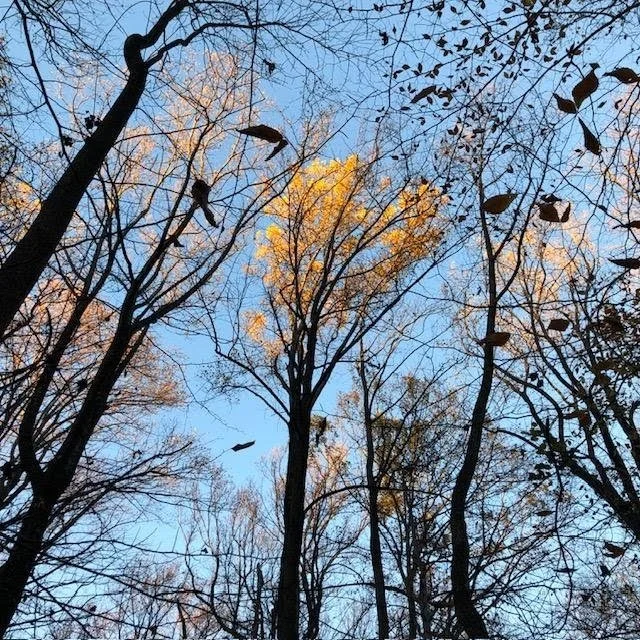
We so often look for reflections of our value outside of ourselves – “was I productive enough today?”, “what will so-and-so think of me?”, or “I’ll never be as good as that person.” If we find ourselves in that place, it’s time to slow down, examine the negative stories we’re operating from (and examine and send love to their source) and do our best to let them go or replace them with more positive and compassionate ones. What’s something or someone that could help you let go? What are the core values you operate from, or what are you doing when you feel most inspired?
Metal also calls us back to the poignancy of the present moment. Are we aware of the many “mini-deaths” we experience throughout the day? This could be when we finish a delicious meal, end a conversation with a loved one or can’t do a favorite activity because we’re injured. Acknowledging our sadness can bring richness and depth to experiences we often rush right through. Looking for the gems in our day can be equally inspiring and overlap with the losses – the feeling of a hot shower on your skin, access to clean and plentiful water to drink, a nice conversation with your neighbor. There are countless opportunities to recognize and appreciate the present moment with all of its gems and inevitable losses – bringing greater appreciation and value to our daily lives. We can never let go of or lose that which we truly are, and anything we let go of can be potential fertilizer for our future growth.
If you’re curious about how the Metal element is manifesting for you, or you need support around grief or help finding inspiration, please reach out for a free 15 minute consultation to hear how acupuncture and bodywork can help. To make care more affordable I’m using a community based sliding scale model called Pay from the Heart. For more information about my practice, please visit here.